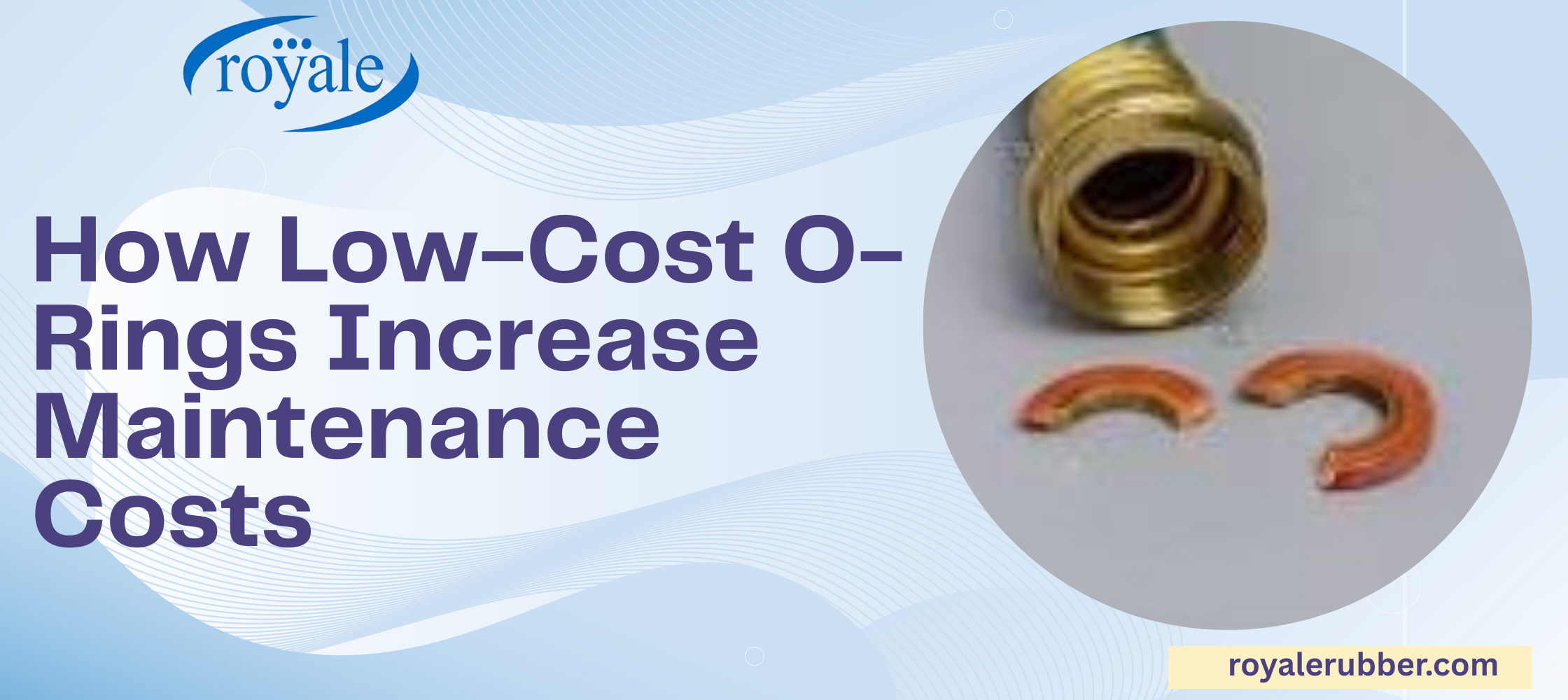
At first glance, low-cost O-rings may seem like a smart way to reduce procurement expenses. However, in industrial and mechanical applications, choosing cheaper O-rings often leads to higher maintenance costs, frequent breakdowns, and operational inefficiencies. What appears to be a small saving can quickly turn into a costly mistake.
1. Shorter Service Life
Low-cost O-rings are usually made from inferior rubber compounds with inconsistent material quality. These materials lose elasticity faster, crack under pressure, or harden when exposed to heat and fluids. As a result, they require frequent replacement, increasing labor and downtime costs.
2. Higher Risk of Leakage
Poor-quality O-rings fail to maintain proper sealing over time. Even minor leakage can cause:
-
Fluid loss
-
Pressure drop
-
Reduced system efficiency
In critical systems, leakage can damage surrounding components, multiplying maintenance expenses.
3. Increased Equipment Downtime
Unexpected O-ring failure often leads to unplanned shutdowns. Downtime impacts productivity, delivery schedules, and customer commitments. The cost of lost production often exceeds the money saved by purchasing cheaper seals.
4. Damage to Adjacent Components
When low-quality O-rings fail, they can allow contaminants, moisture, or abrasive particles into the system. This accelerates wear on bearings, shafts, and valves, increasing repair and replacement costs far beyond the seal itself.
5. Inconsistent Quality Between Batches
Low-cost suppliers may not follow strict quality control standards. Variations in size, hardness, or material properties across batches can cause fitting issues and unpredictable performance, leading to repeated maintenance interventions.
6. Poor Resistance to Heat and Chemicals
Cheaper O-rings often lack resistance to high temperatures, oils, fuels, and chemicals. Exposure to harsh operating conditions accelerates degradation, forcing premature replacement and raising maintenance frequency.
7. Hidden Costs of Frequent Replacement
Frequent seal replacement involves more than just the cost of the O-ring:
-
Labor charges
-
Machine stoppage
-
Inventory handling
-
Emergency repairs
Over time, these hidden costs significantly increase total maintenance expenditure.
Conclusion
Low-cost O-rings may reduce initial purchase price, but they often result in higher long-term maintenance costs, increased downtime, and reduced equipment reliability. Investing in high-quality O-rings from trusted manufacturers ensures longer service life, consistent performance, and lower total cost of ownership.